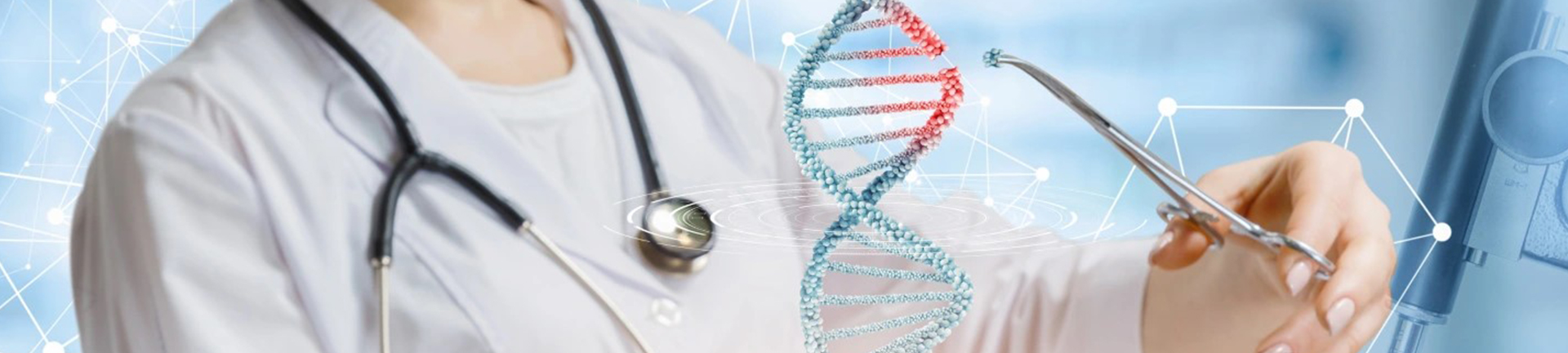
Advances in genetics over recent decades have opened new pathways for medicine and biotechnology:
🔎 Disease Diagnosis: Detecting genetic disorders before symptoms appear.
🧪 Gene Therapy: Correcting or replacing defective genes.
👶 Personalized Medicine: Designing treatments based on each individual’s genetic profile.
🌱 Agricultural Genetics: Enhancing crop quality and productivity through genetic improvements.
🌱 Stem Cells: The Key to Regeneration
Stem cells possess the unique ability to self-renew indefinitely and differentiate into various types of cells in the body. This makes them a cornerstone of regenerative medicine.
Key applications include:
🩺 Treatment of severe diseases such as leukemia, diabetes, and heart conditions.
🧩 Tissue and organ regeneration, including spinal cord, skin, heart, and cornea repair.
🧫 Drug discovery and testing, by modeling diseases in the lab.
🔬 Tissue engineering and bioprinting, enabling the creation of artificial tissues and organs for transplantation.
🌿 Cell Therapy: A New Era in Regenerative Medicine
Cell therapy utilizes stem cells and specialized cells to repair and restore damaged tissues, offering promising solutions for various conditions. It has shown significant potential in treating cancers, autoimmune disorders, blood-related diseases, and tissue injuries.
✨ Benefits of Cell Therapy
Natural regeneration of tissues
Strengthening the immune system
Reducing the need for long-term medications and chemotherapy
Improving patients’ quality of life
🎗️ Cell Therapy in Cancer Treatment
Recent breakthroughs demonstrate that engineered cells can identify and destroy cancer cells. This innovative approach has given new hope to cancer patients and marks a milestone in modern medicine.
✨ The integration of genetics, stem cells, and cell therapy is shaping the future of medicine—paving the way for personalized treatments, advanced therapies, and a healthier, more hopeful life for humanity.


One Earth,One Future,One Hope |